Prioritize consistent medication timing. Take your L-thyroxine at the same time each day, ideally 30-60 minutes before breakfast, to ensure optimal absorption.
Nutrition for Thyroid Health
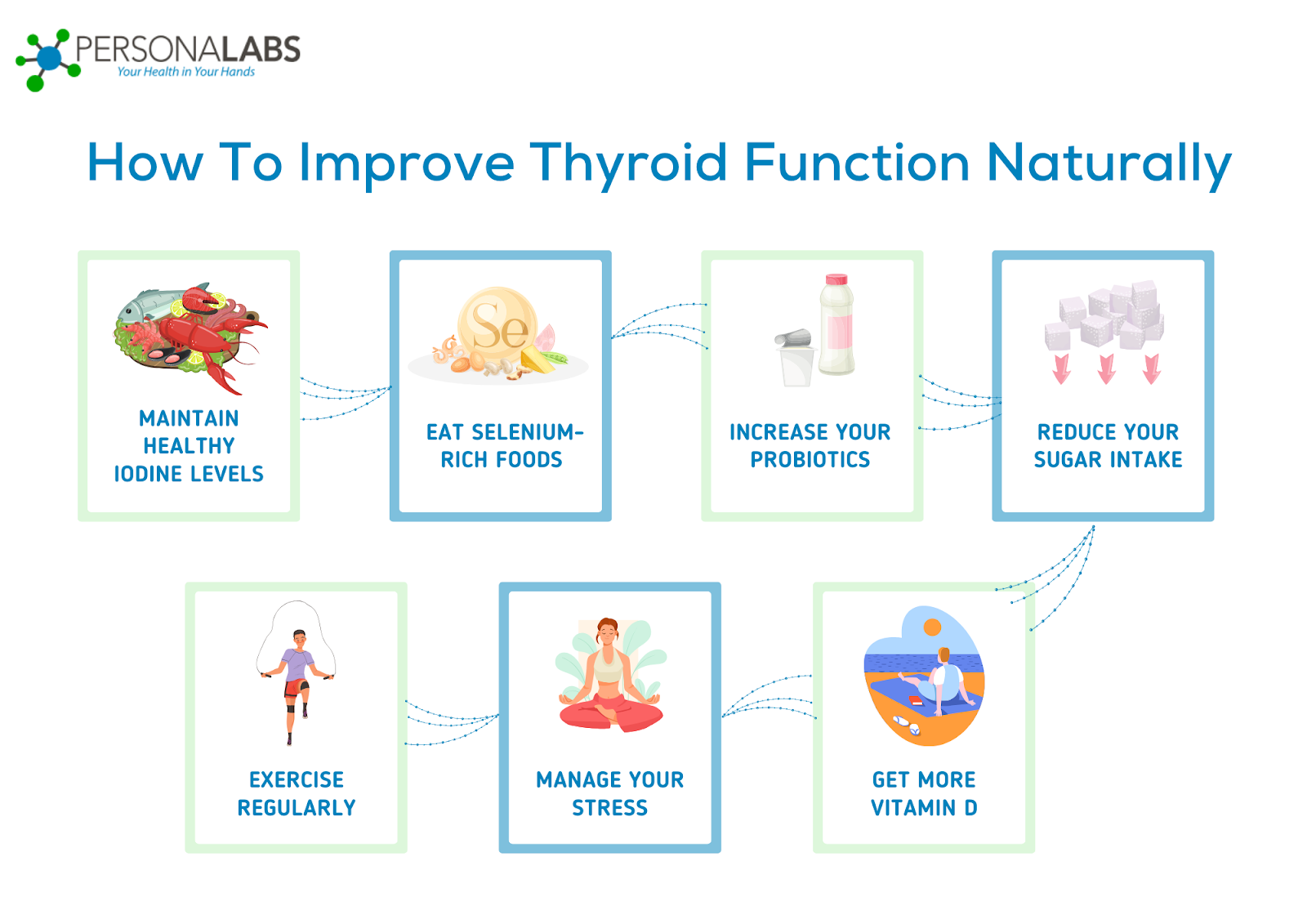
Increase iodine intake. Include foods rich in iodine, such as iodized salt and seafood, in your diet. However, avoid excessive iodine consumption.
Consume sufficient selenium. Selenium supports thyroid hormone production. Good sources include Brazil nuts, tuna, and eggs. Aim for the recommended daily allowance.
Maintain a balanced diet. Focus on whole, unprocessed foods, including fruits, vegetables, and lean proteins. Limit processed foods, sugary drinks, and excessive caffeine.
Lifestyle Adjustments
Manage stress levels. Stress can negatively impact thyroid function. Incorporate stress-reducing techniques like yoga, meditation, or spending time in nature.
Get regular exercise. Physical activity improves overall health and can positively influence thyroid hormone levels. Aim for at least 30 minutes of moderate-intensity exercise most days of the week.
Ensure adequate sleep. Aim for 7-9 hours of quality sleep nightly. A consistent sleep schedule can significantly contribute to your overall well-being and thyroid health.
Monitoring and Communication
Regular blood tests. Schedule regular check-ups with your doctor to monitor your TSH and T4 levels. This allows for timely adjustments to your medication dosage.
Open communication with your doctor. Discuss any concerns or changes in your health with your doctor. This ensures the most effective treatment plan.
Specific Dietary Recommendations
Soy products: While not necessarily harmful, soy may interfere with L-thyroxine absorption; avoid consuming it around the time of taking your medication.
Fiber-rich foods: Excessive fiber may reduce L-thyroxine absorption. Distribute your fiber intake throughout the day, separating it from medication time.
Important Note:
This information is for general knowledge and shouldn’t replace professional medical advice. Always consult your doctor for personalized guidance on managing your thyroid condition.