Consult your doctor before using metformin for weight loss. It’s not a magic bullet, and its effectiveness varies.
How Metformin Aids Weight Loss
- Improves Insulin Sensitivity: Metformin helps your body use insulin more effectively, leading to reduced blood sugar and potentially, weight loss. Reduces Appetite: Some users report decreased appetite and food cravings. Impacts Gut Microbiota: Emerging research suggests metformin may alter gut bacteria, potentially influencing metabolism and weight.
Weight loss results differ. Studies show an average weight loss of 2-5 kg (4.4-11 lbs) over a year. Factors affecting this include diet, exercise, and individual metabolism.
Potential Side Effects and Precautions
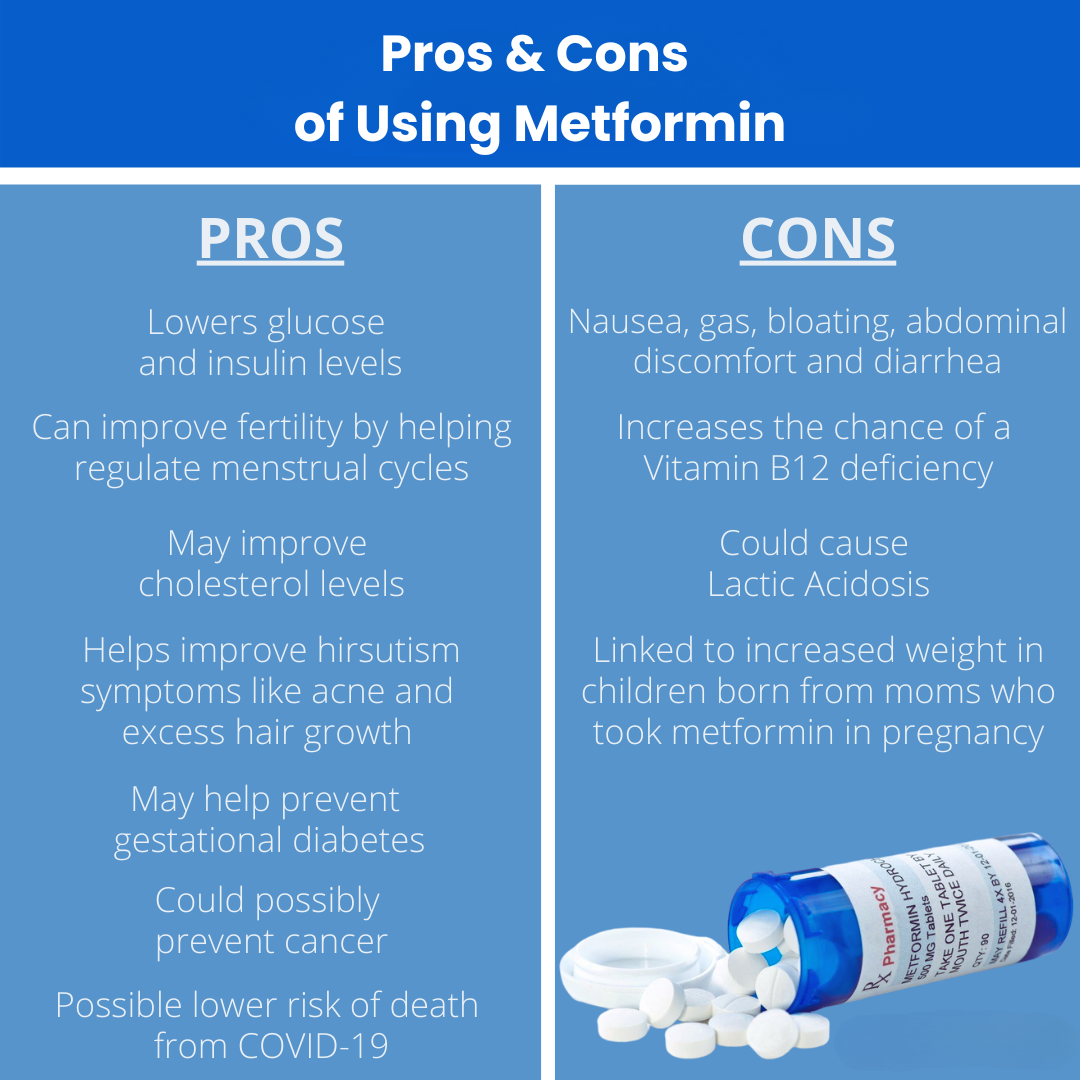
Gastrointestinal Issues: Nausea, diarrhea, and stomach upset are common. These often lessen over time. Vitamin B12 Deficiency: Long-term use can sometimes lead to B12 deficiency. Regular blood tests are recommended. Lactic Acidosis (Rare but Serious): This is a potentially fatal complication. Risk factors include kidney disease, liver disease, and excessive alcohol consumption. Your doctor will assess your risk.
Always follow your doctor’s instructions regarding dosage and monitoring. Regular checkups are crucial to track your progress and manage potential side effects. A balanced diet and regular exercise are also key for successful weight management. Remember, metformin is most effective when combined with lifestyle changes.