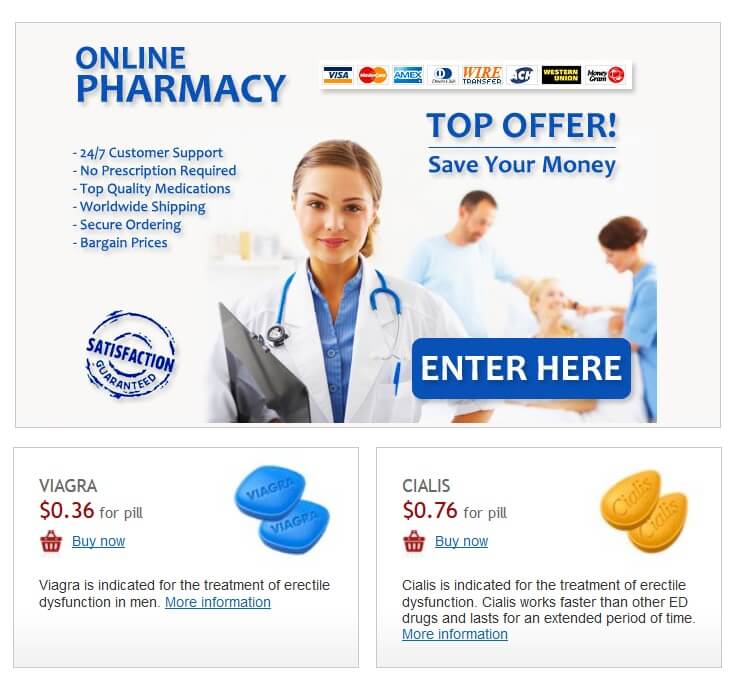
Verify the pharmacy’s license with Health Canada’s online registry. This confirms their legal operation. Always check for a physical address and contact information; avoid pharmacies offering only online contact.
Checking Prescriptions and Medications
Compare the medication’s appearance to images available online. Discrepancies in colour, shape, or markings indicate potential counterfeits. Contact your physician or pharmacist with any concerns. Don’t hesitate to request details about the medication’s source and manufacturing process.
Understanding Canadian Pharmacy Regulations
Canadian pharmacies must adhere to strict regulations ensuring quality and safety. Familiarize yourself with Health Canada’s website for details on these regulations and patient rights. Be aware of potential scams and only use verified pharmacies.
Protecting Your Personal Information
Secure websites use HTTPS; verify this before submitting personal data. Never share your credit card details or prescription information via email or unsecure channels. Report any suspicious activity immediately. Choose pharmacies with strong privacy policies.
Dispensing and Delivery
Legitimate Canadian pharmacies typically provide tracking information for your order. Unusually long delivery times or a lack of tracking might indicate a problem. Report any suspicious aspects of the delivery process.
Dealing with Issues
Should you encounter problems, contact Health Canada directly for assistance. Document all interactions with the pharmacy, including order details and any communication received. Preserve records of payments and delivery confirmation.
Further Resources
For further information, visit the Health Canada website. They offer resources for patients navigating prescription drug purchases, including guides on identifying counterfeit medications and protecting your information.