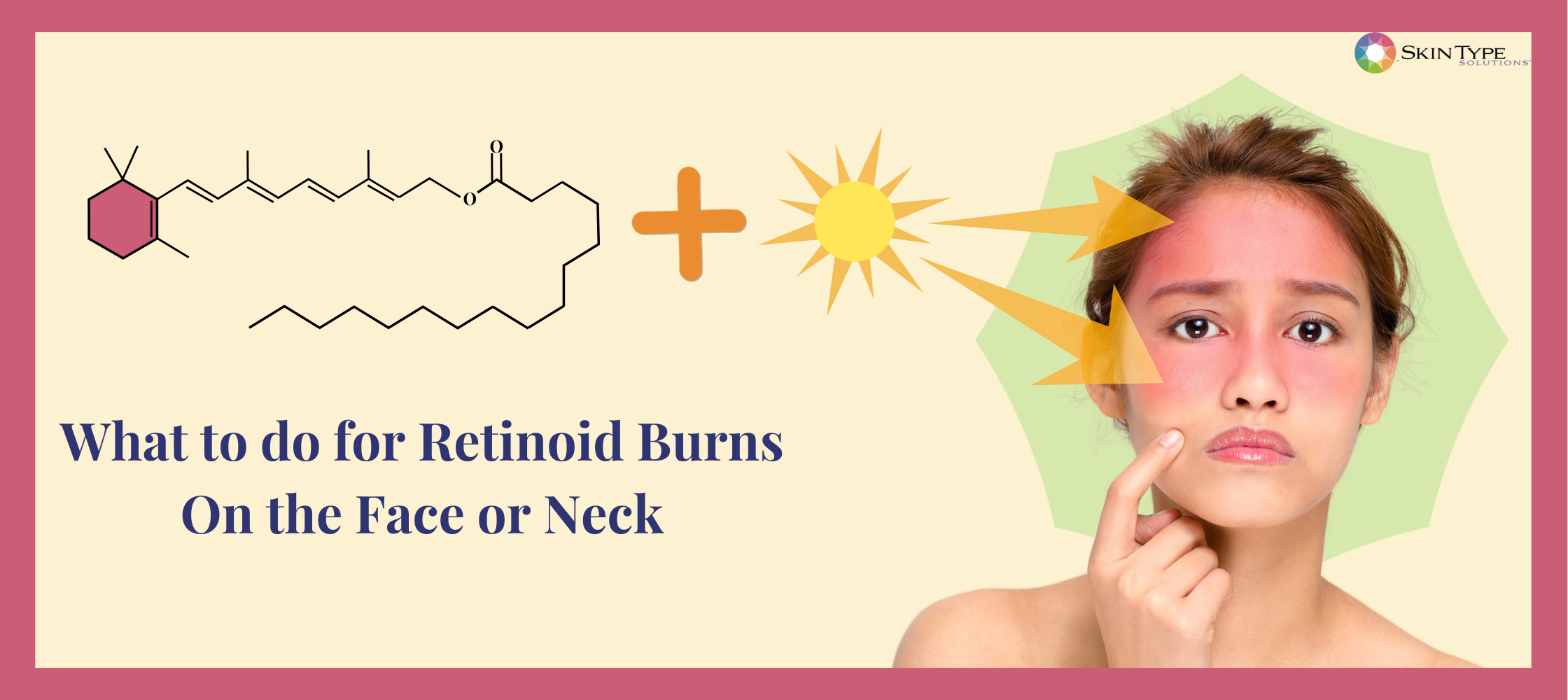
Consult a dermatologist before using Retin-A, especially if you have sensitive skin.
Common side effects include:
- Dryness and peeling skin. Use a moisturizer daily to mitigate this. Redness and irritation. Start with a low concentration and gradually increase usage. Increased sun sensitivity. Always use sunscreen with an SPF of 30 or higher, even on cloudy days. Burning or stinging sensation. Apply a thin layer to clean, dry skin at night.
Less common, but potentially serious side effects:
- Allergic reactions. Discontinue use and seek medical attention if you experience a rash or difficulty breathing. Hyperpigmentation (dark spots). Avoid excessive sun exposure. Hypopigmentation (loss of skin color). This is less frequent and often temporary.
Specific Precautions:
Avoid use during pregnancy or breastfeeding without your doctor’s approval. Do not use Retin-A with other harsh skincare products simultaneously. Allow your skin time to adjust. Expect some initial skin purging (a temporary increase in breakouts). This typically subsides after a few weeks.
If you experience persistent or worsening side effects, stop using Retin-A and consult a healthcare professional immediately. They can assess your situation and recommend appropriate treatment.