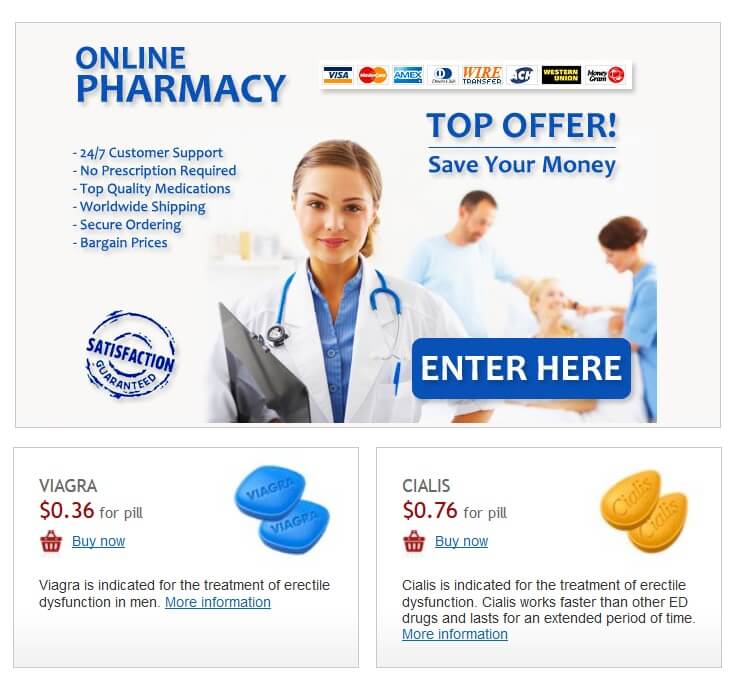
Choose payment methods with verified security protocols like SSL encryption. Look for the padlock icon in your browser’s address bar and ensure the website uses HTTPS.
Consider using reputable payment processors such as PayPal or credit cards with fraud protection. These services offer buyer protection and dispute resolution.
| PayPal | Buyer protection, secure transactions | Widely accepted, added security layer | Potential fees |
| Credit Cards (Visa, Mastercard) | Fraud protection, chargeback options | Commonly used, widely accepted | Potential for unauthorized charges (though fraud protection helps) |
| Bitcoin (or other cryptocurrencies) | Pseudonymity, decentralized nature | Increased privacy | Volatility, potential for scams |
Avoid websites requesting wire transfers or prepaid debit cards. These methods offer little to no buyer protection. Always prioritize established, trustworthy payment gateways.
Review the website’s privacy policy. A transparent policy outlining data handling practices is a positive sign. Check if they clearly state how they protect your personal and financial information.
Report suspicious activity immediately to your bank or payment processor. Act swiftly to minimize potential losses.