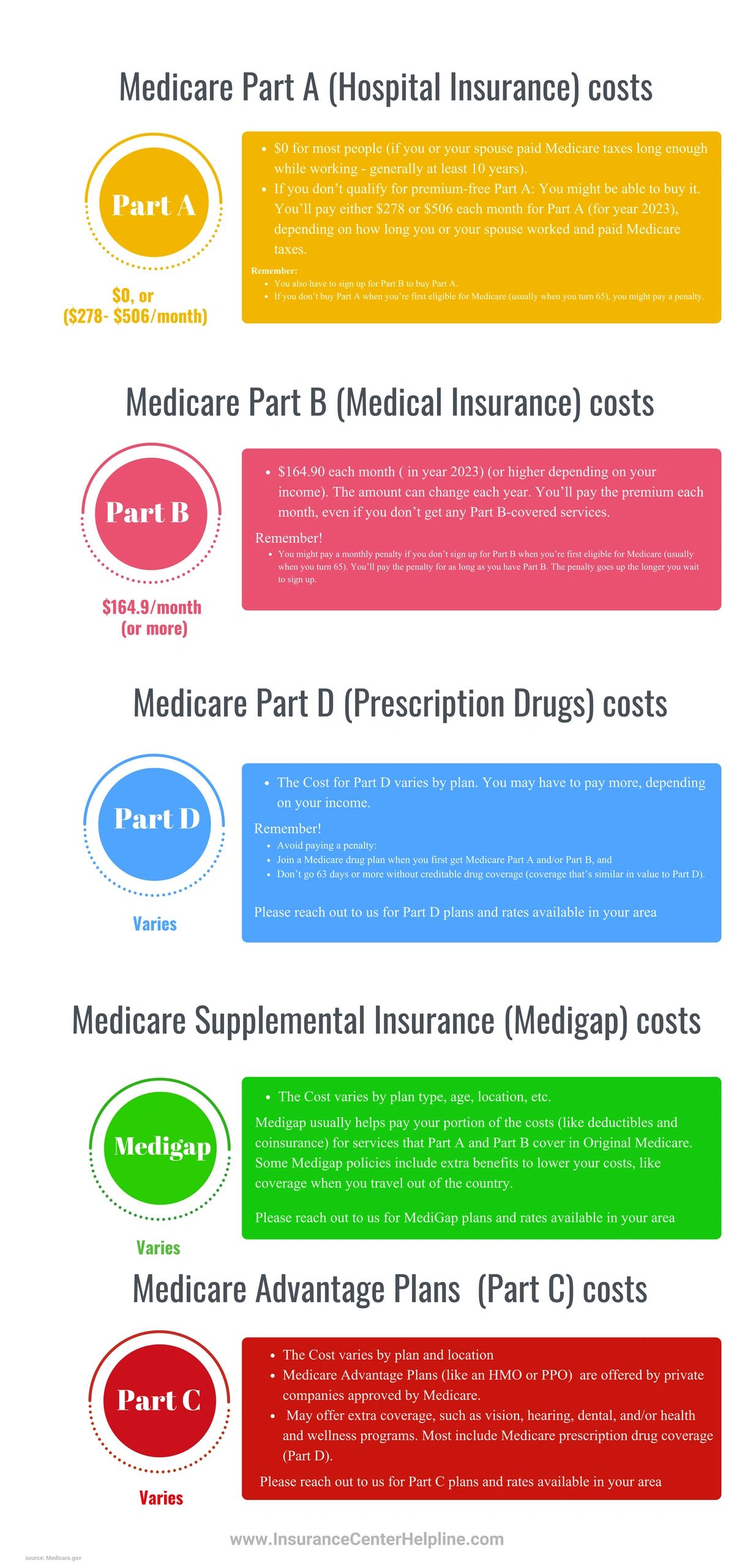
Check your formulary. This list details which medications your insurance covers and at what tier (generic, preferred brand, non-preferred brand). Higher tiers mean higher out-of-pocket costs. For example, a generic drug might be Tier 1, requiring only a small copay, while a brand-name medication could be Tier 3, resulting in a significantly higher cost.
Negotiating Prescription Prices
Contact your pharmacy and your insurance provider. Many pharmacies offer prescription discount programs, even if you have insurance. Your insurance company may also have programs to help reduce costs, such as mail-order pharmacies or manufacturer coupons. Ask about these options directly; don’t assume they don’t exist.
Explore patient assistance programs. Many pharmaceutical companies offer financial aid for patients who cannot afford their medications. Check the manufacturer’s website or contact their patient support line to learn about eligibility and application procedures. These programs can significantly lower or even eliminate your costs.
Managing Your Prescription Costs
Ask about 90-day refills. These often cost less per dose than three 30-day refills, saving you money on co-pays and administrative fees. Utilize generic alternatives. Generics are chemically equivalent to brand-name drugs but typically cost much less.
Compare pharmacy prices. Prices vary between pharmacies, even for the same medication and insurance plan. Check prices at several pharmacies near you before filling your prescription.